
The Paths to and from Tiferet (Part Two)
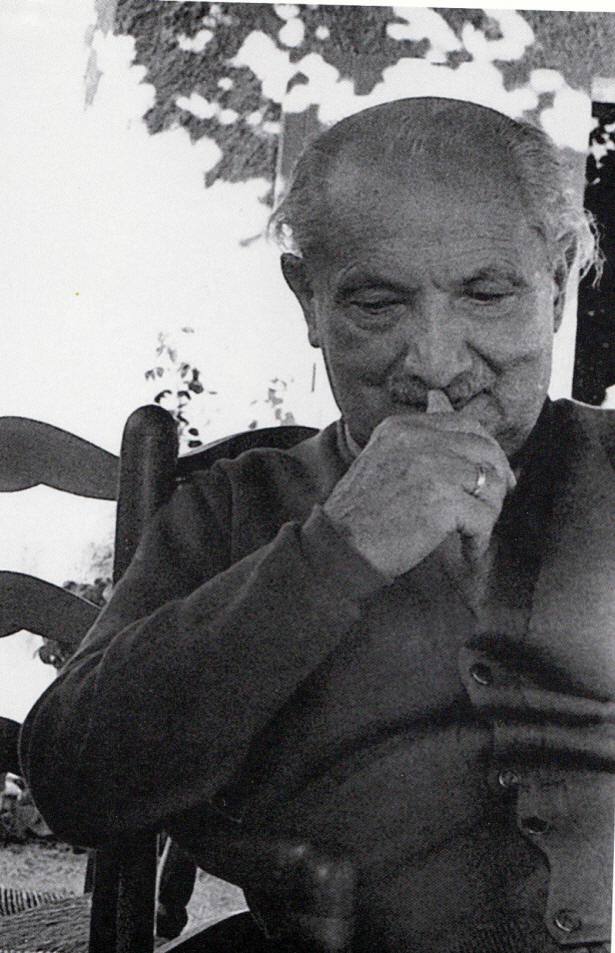
“To those who are superficial and in a hurry, no less than to those who are deliberate and reflective, it must look as though there were no mystery anywhere.” MARTIN HEIDEGGER, “A DIALOGUE ON LANGUAGE”
“If the bleak days scare away all shining radiance, and if all breadth shrivels into the paltriness of narrow conventionality, then the heart must remain the source of what is light and spacious. And the most solitary heart makes the broadest leap into the middle of beyng, if on all sides the semblance of nonbeings stops its noise.” MARTIN HEIDEGGER, PONDERINGS V
In Part Two of our discussion of the paths emanating to and from Tiferet, we will be examining Path #21 The Desired and Sought Intelligence (Zayin), Path #22 The Faithful Intelligence (Lamed), Path #23 The Sustaining Intelligence (Samekh), and Path #25 The Intelligence of Trials (Temptations) (Resh).
The Letter Zayin and the 21st Path: The Desired and Sought Intelligence
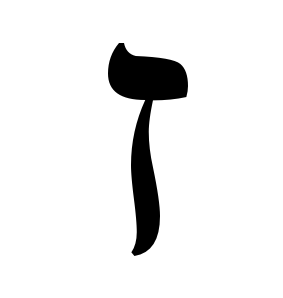
Zayin: Tiferet to Chesed: Path21. Desired and Sought Intelligence (Consciousness) (Sekhel HaChafutz VeHaMevukash): It is called this because it receives the divine Influx so as to bestow its blessing to all things that exist.
The Twenty-first Path is the Intelligence of Conciliation, and is so called because it receives the divine influence which flows into it from its benediction upon all and each existence.
Alt. Trans. “The twenty-first path is called the consciousness of the desired-which-fulfills because it receives the divine influence which flows into it as a result of the blessing it confers upon all that exists.”

We have spoken a number of times regarding the gap that currently exists between Love and intelligence or between Logos and Eros. On the 21st path, the intelligence or “consciousness” receives “the divine influence” or Love, which is “the desire which fulfills”, and through this coming to en-own confers this love on all that exists or on the Other. This is ‘conciliation’. The Divine is in need of human beings’ complicity in order to reveal Its truth. “Faith is the experience that the intelligence is illuminated by love”, as Simone Weil said. This experience is called “conciliation” (what we have been calling dialectic here), and this conciliation overcomes the strife that exists between the intelligence and its desire to know and the fulfillment of this desire to know.
The letter Zayin is shaped like a sword and is the symbol of “spiritedness”, “sustenance” (endurance, courage), and strife. It is the arrow of Eros, that which pierces through the husks and containers of the enclosures represented by the letters Chet and Tet and allows the inner light or true essence of things to be seen. It is the key to the door of Dalet and the opening of that door or gateway to the realm beyond. It represents the 7th day of Shabbat (Sabbath), the day of rest and spirituality (or the “letting be” of passivity), which completes the process of the 6 days of creation. It is the sword that Christ refers to when He says He comes not to bring peace, but with a sword. (Matthew 10: 34-36)
The Zayin signifies Space and includes the six days and six directions of physical reality, but also stands as a unique 7th principle or energy, the “spirit” which activates the physical. We usually designate this as “energy” or the life-force, but it seems that we need to somehow see how this principle is one of Love and not of Will. The Zayin is also associated with the word ‘manacle’ and this could indicate that its relation to rest is one of imprisonment. The contradictory forces of ‘liberation’ and ‘oppression’ seem to be implied in its nature. The Zayin is the source of all movement which would indicate a relation to Time. Like the letter Vav, it is an impregnating principle, which activates the creation. The contraries of rest and movement are symbolized in the letter.
Zayin is drawn with a Vav with a crown on top of it. The Vav is related to the Ohr Yashar, the direct light of the Creator coming down into the created world. The Zayin also relates to the Ohr Hozer, the returning light, which follows the path of the Vav to return and then spreads out when it reaches the crown. The Zayin impregnates all of life and allows the Vav to spread, opening the field of every possibility.
Shaped like a sword, the Zayin represents all movement and all movement is related to Time, which is associated with Binah. The Zayin represents the strife between contraries, the struggle for existence to overcome need, the struggle for sustenance (מזון). It is the struggle between Yaakov Jacob and the angel. Is it a good thing that Jacob is victorious over the angel in his struggling? What are the implications of this? The Zayin is said to be the power within a person that causes them to speak, initiate, live i.e., what it is about human beings that makes them human. It is the Eros of the human soul, Psyche. Interestingly, Zayin is also the source of rest. It teaches us to harmonize between the spirit and perfection related to the 7th day of rest, and the matter of the 6 days of work.
Genesis 1.14 And Elohim said: ‘Let there be lights in the firmament of the heaven to divide the day from the night; and let them be for signs, and for seasons, and for days and years; 15 and let them be for lights in the firmament of the heaven to give light upon the earth.’ And it was so.
The Letter Lamed and the 22nd Path: The Faithful Intelligence
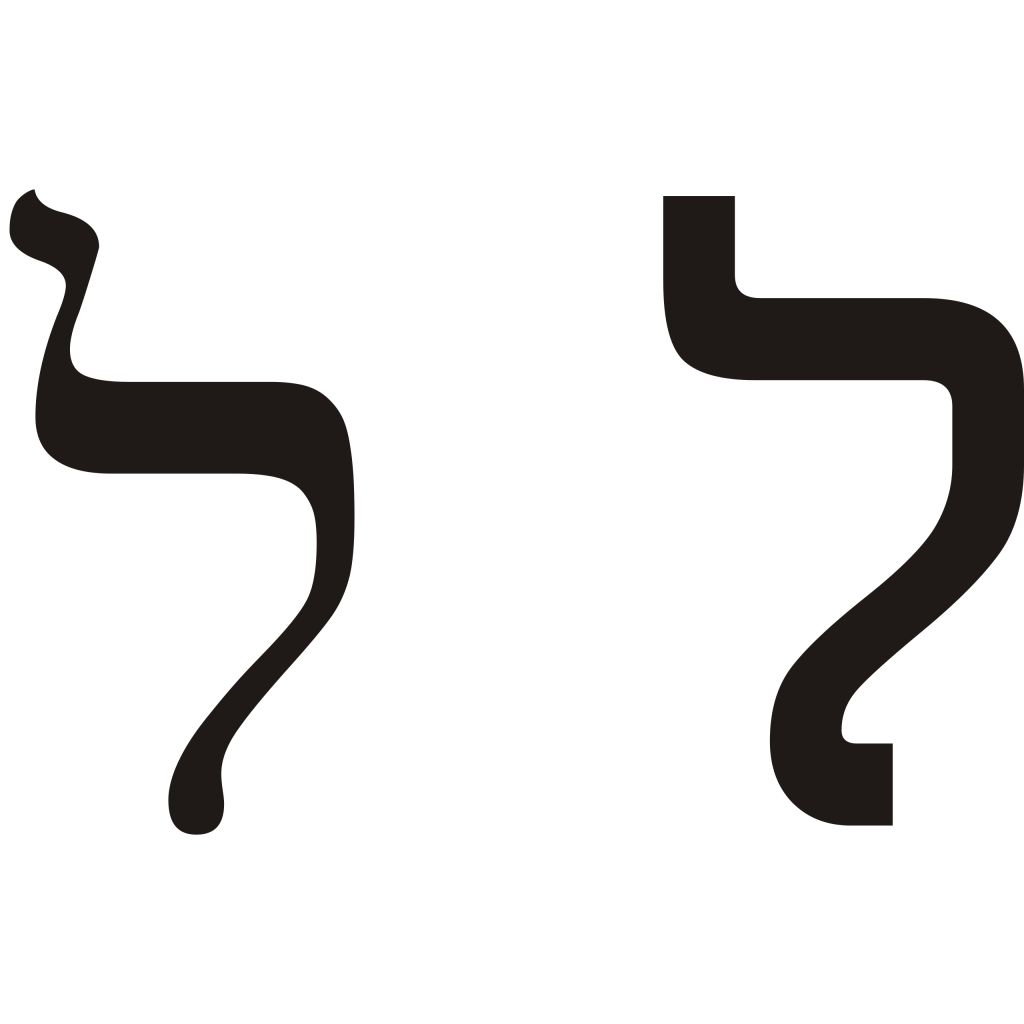
The Twenty-second Path is the Faithful Intelligence, and is so called because by it, spiritual virtues are increased, and all dwellers on earth are nearly under its shadow.
Alt. Trans. “The twenty-second path is called the faithful consciousness because, through it, the spiritual powers are increased. All dwellers on earth ‘abide in its shadow.'”
Path 22. Faithful Intelligence (Consciousness) (Sekhel Ne’eman): It is called this because spiritual powers are increased through it, so that they can be close to all those ‘who dwell in their shadow’.
Case trans. The twenty-second path (Lamed, joining Gevurah to Tiphareth) is called the Faithful Intelligence, because by it spiritual powers are increased. All dwellers on earth are under its shadow.
Lamed, the 12th letter of the Hebrew Alphabet, is the symbol of learning and can be seen as either a step or as a snake uncoiled. It is translated literally as the word for learning and also as a staff or goad. It is located at the centre of the Aleph-Beth and represents the heart Lev לב; in Kabbalah, learning is mostly done with the heart and soul, not just the mind i.e., the intelligence is illuminated by Love. The mind is a secondary organ. The Lamed indicates that “spiritual learning” is the heart of human existence. The course in life for every human being is to learn and express spiritual experiences and to practice what has been learned with every breath of life. This manner of being-in-the-world comes into conflict with the ideologies and narratives which predominate in the societies of which we are members.

Lamed reaches higher than any of the other Hebrew letters, like a lightning flash high in the air. This ‘higher reaching’ may be an indication of hubris. The shape of the Lamed is an undulating movement, and the Lamed represents the constant organic movement, the constant change that occurs within the limits of Necessity. Lamed is the lightning strike of Zeus or of God descending down the two sides of the Tree of Life. This would indicate that it is a warning sign against pride in one’s own learning or in the learning of the shared knowledge of the community of which one happens to be a member. Lamed teaches us to learn from everything in life, that no one and no institution are solely in possession of the truth. After one has governed their possessive, grasping tendencies in Khof and no longer has the blockages of the ego interfering, they can begin to learn the spiritual perfection of their own self, and to learn the laws, will, and ways of the Creator from the torah side of the Tree of Life. This is the process of learning to align with the will of the Creator and the acceptance of that will.
As a snake uncoiled, Lamed may be the ‘flying serpent’ or dragon, the Draconis Tali of the Sefer Yetzirah, which extends throughout the firmament of heaven and indicates both Space and Time. The ‘pattern of all that is formed’ is the web of Necessity. The web of Necessity is the limits and boundaries placed upon created things as well as the actions of human beings. Human action, including its desire and will, is subservient to the same Necessity that is evident in the laws of gravity. It is the Greek understanding of phronesis whose goal is sophrosyne, the balance and equilibrium or moderation that is the wisdom of actions, the wisdom that sees actions as subject to the same limits and boundaries as are all created beings.

The tarot card Temperance #14 is appropriate here. The knowledge of ‘the pattern of all that is formed’ is within the universe of Yetzirah and yet bridges to the universe of Beriyah. Tiferet is the Pythagorean mean which brings into a relation, a ‘conciliation’, and balances (hence Lamed is associated with Libra) the individual will of Netzach with the limits and boundaries of creation which is the will of God. The will of God is, ultimately, inscrutable but the balance of the mean properly determines ethical actions i.e., the individual’s being-in-the-world and the individual’s being-with-others. It is the knowledge of Necessity which allows one to distinguish between that which is Necessary and that which is Good, to distinguish between the things that are Caesar’s and the things that are God’s.
The Sephirot Hod is said to represent The Library of Hermes and this is the site of the study that Lamed represents. There is a warning in the letter with regard to the pride that can mistakenly occur through one’s pride in one’s own knowledge. This is a warning against the danger of hubris.
What we think virtue or human excellence to be is given to us from the societies of which we are members. This knowledge is associated with time and history. Since the path is restricted to time and history, the realization of its knowledge is to increase the will to power of its possessors. This may account for the Martial and sexual connections that Case associates with this path, and also to the conventional notions of Justice to which it is related. This would suggest a Hod, Yesod, Netzach connection to the paths and I have chosen to relate Lamed to the path from Tiferet to Hod and will discuss it later under the paths emanating from Hod. What Case’s interpretation appears to reveal is the thinking of a man who is trying to establish a sect himself and to give power to the teachings of that sect. Placing the Justice card as #11 is indicative of the completed work of the Magician #1, which is clearly a product of the will to power. While this is indeed a form of “justice”, it is not the true form, the true completion, perfection. Justice itself is not a product of human wills but rather determines them.
What is quite clear in the Sefir Yetzirah is that redemption and salvation is an individual journey, and the search or quest for the Light is not to be derived from traditional teachings only because the search, and its goal, is not something that can be passed on through the genes or the inheritance that one gets from one’s parents or from one’s society. The quest must be undertaken by the individual themselves. Contrary to how Americans sometimes view their history, the collective itself cannot engage in a ‘spiritual journey’. The collective engages in the search for the will to power. (This may be one of the reasons why the Americans and the technological are so compatible with each other.) The spiritual, when not understood as will to power, is not a product of Time. The translations of the Sefer Yetzirah and “The 32 Paths of Wisdom” create a great deal of confusion in not distinguishing between the spirit as will and the spiritual as will to power i.e., spiritedness.
In examining the paths, the four universes of the Sefir Yetzirah must be kept in mind as well as the directions in which the paths are leading. Because the created world is spherical in shape, and because the created things themselves are square or cubic in form (since physical things begin at the number 4), the attempt here is literally “to square the circle” which is irrational in itself. That which is beyond the physical requires the intervention of a mediary i.e., a radius that will be the circumference of the circle. (?) The universes of Asiyah, Yetzirah, and Beriyah are all capable of accessibility, but the realm of Atzilut is beyond human beings without some kind of Divine intervention through grace. (The universes of the Sefer Yetzirah parallel the universes of Buddhism: Asiyah > Kamadhattu: the world of desire; Yetzirah > Rupadhattu: the world of forms; Beriyah: Arupadhattu: the world of formlessness; Atzilut > Nirvana: the world of the unnamable, the unspeakable. These universes can be seen and explored in the temple of Borobudur on the island of Java in Indonesia).
The Letter Samekh and the 23rd Path: The Sustaining Intelligence
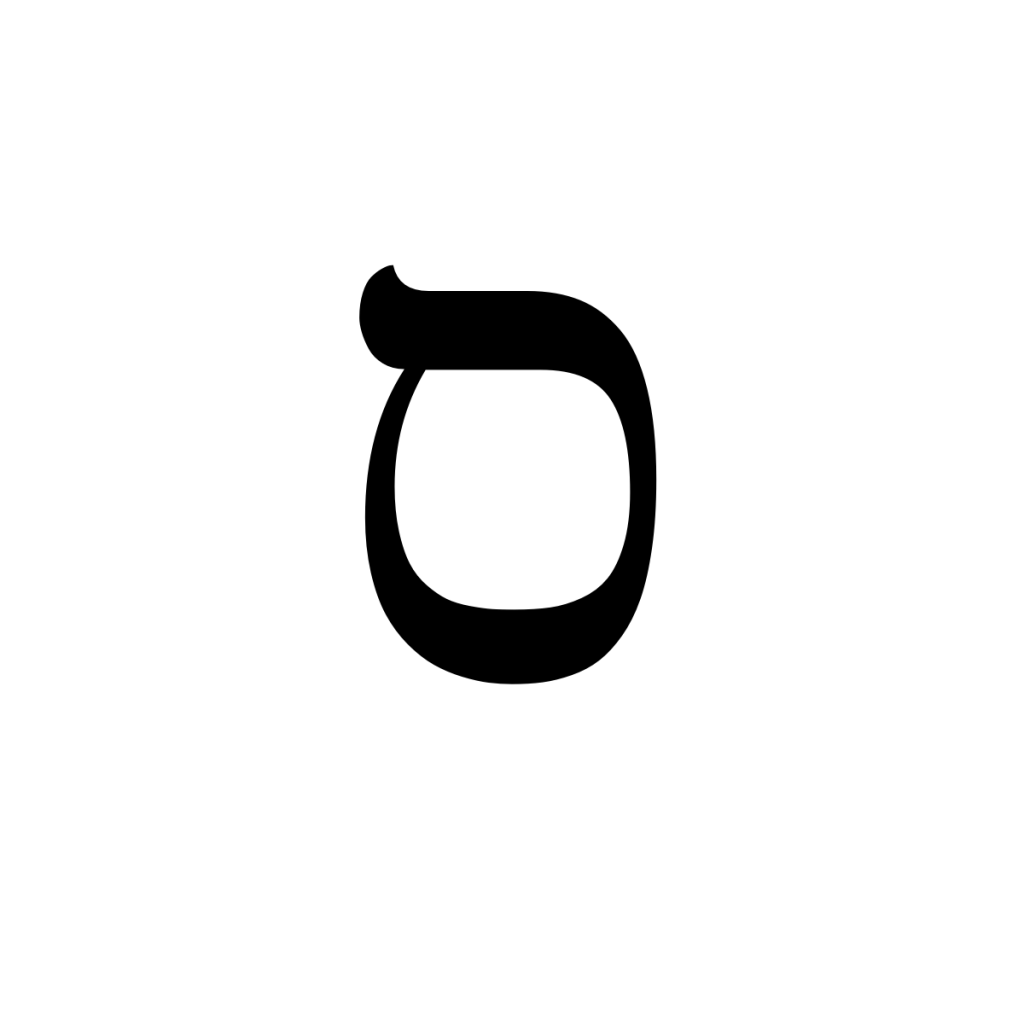
Samekh: Tiferet to Netzach Path 23: The Stable/Sustaining Intelligence: The Twenty-third Path is the Stable Intelligence, and it is so called because it has the virtue of consistency among all numerations.
Alt. Trans. “The twenty-third path is called the stable consciousness because it is the power of sustenance among all the Sephirot.”
Sustaining Intelligence (Consciousness) (Sekhel Kayam): It is called this because it is the sustaining power for all the Sephirot.
The Twenty-third Path once again illustrates that which has been called the “mathematical” in this writing i.e., that which can be learned and that which can be taught, and how this understanding of the mathematical is in strife with the Love and friendship that is at the heart of the purpose of Creation, the Ain Sof. The “mathematical” would be indicated by the letter Lamed ל or “study”, “the serpent uncoiled”, and I have indicated that this is Path 22 The Faithful Intelligence where ‘spiritual powers are increased through it, so that they can be close to all those ‘who dwell in their shadow’ i.e., those who live in the world of the mathematical dwell in the shadows of the spiritual powers. The ‘shadows’ are the outer appearances of things.
In order for some thing to be learned, it must first be brought to a “stand” or bounded within a horizon so that it may be “de-fined” and a name given to it so that it may be spoken about. The shape of the letter Samekh ס indicates this bringing to a stand and this binding. The “numerations” weigh and measure things so that they are brought out of their natural state of metabole or change into something that can be known i.e., they are given a “permanence” of some kind, a “stability” of some kind. Numbers are only one example of the “mathematical” but they are the most common. The manner of seeing that results from the “consistency” or reliability of the use of numbers is but one manner of accounting for the laws of Necessity and the relation of created things to the domains of time and space, that which is studied in Path 22 The Faithful Intelligence.
The Twenty-third Path also indicates the limits of human reason and intelligence. The Sustaining/ Stable Intelligence is that knowledge which can be relied upon. In English, we have come to understand logos as “reason” because the origins of philosophical English are Latin, ratio, rationale. We rely upon principles, laws and axioms to “illuminate”, “sustain”, “stabilize”, and “endure” in our projections upon the things of the world. These projections determine how we view the things of the world. The letter Tet ט, meaning ‘snake’, which we have discussed as the path from Binah to Chesed, has a clear connection to the letter Lamed and this also suggests the limits that are placed on human knowledge. That which provides the stability to the Sephirot is the Good, and this Good shows itself in the friendship of the Divine Trinity and the Love that sustains Creation. The ‘stability’ that arises from the collective or social manner of viewing the world comes about as a result of the consistency of the results of calculations or ‘numerations’ that are carried out regarding Necessity. The ‘numerations’ are the logoi or speech that are shared among the members of the community.
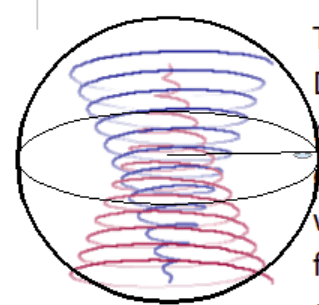
The letter Mem is attributed to the 23rd path by Case. The movement on the paths of the mother letters is vertical, horizontal or diagonal and their movement influences the character of the path that is being experienced. Because Alef is the source of all the letters, it is capable of both vertical and horizontal movement, but it can also influence the diagonal paths existing between the various Sephirot. In making a visual illustration of the paths, they are shown as straight lines; but in reality, they are arcs on the circumferences of the gyring movements either up or down the Tree of Life.
Case in his study of the 32 paths sees the Twenty-third Path as that path which will lead the human community to a better universal, homogeneous State i.e., through the principle of reason realized in the technological. The Illuminati of the Twenty-third path are those who believe themselves to be the new Uber mensch, the Nietzschean “overman”, the next step in the human evolutionary chain. But they are nothing more than the “helmsmen” whose use of cybernetics realized in the making of artificial intelligence is the core of their power. Such progressive hopes of Case ignore the lessons of the Sefer Yetzirah regarding the nature of force and power. When the logos is understood as the principle of reason (the Cause of Causes), the logos comes to be understood as will to power realized through the use of the principle of reason. As Nietzsche said, technology is the highest form of will to power.
There is no “human progress” that occurs on the “spiritual level” along with the progress achieved on the material level. The “spiritual level” is not subject to Time as are the created things of the world. Morally and ethically human beings, as a whole, have not made any significant progress from their ancestors. This is because the moral and ethical presence of what human beings truly are as human beings has always been present for them to reach out to and grasp. Because human beings lose sight of the chasm which separates the Necessary from the Good, they fail in making true spiritual progress. This is demonstrated in what is called today the ‘woke culture’. Whether one is ‘woke’ or not (after all, ‘woke’ is a synonym for ‘consciousness’), it is the product of the worship of power and all of its false idols. This ultimately results in the oblivion of eternity for human beings with the consequence of human beings becoming more bestial.
The 23rd path derives from Genesis: 1:24 — “And Elohim said: ‘Let the earth bring forth the living creature after its kind, cattle and creeping things, and beast of the earth after its kind.’ And it was so.” Here, creation ex nihilo, “out of nothing”, the world of Beriyah, is distinguished from the growing and “bringing forth”, the poiesis, that is the production of nature and of human beings. This is a distinction of the universe of Asiyah from those of Yetzirah and Beriyah. Nature supplies the content of the Sephirot and it does so from out of itself. This is the significance of the sephirot Malkhut. Human beings share in this through procreation, so there is a connection here with the Sephirot Yesod.
The 23rd path extends from Tiferet to Netzach and is represented by the letter Samekh. ‘The power of sustenance among all the Sephirot’ is the ‘friendship’ or Love which is initiated by the Divine Trinity. This seems to indicate that, for human beings, the Sephirot and their existence can be lost or “forgotten”, “hidden”, and the ‘revealing’ of their truth may cease among human beings when love and friendship, mercy and kindness, is forgotten. This ‘forgetfulness’ puts human beings out of a proper relationship to Yesod, #9 The Pure Intelligence, and to our relationship with all that comes to be in our lives. #7 The Hidden Intelligence of Netzach, in combination with #8 The Perfect Intelligence of Hod and #9 The Pure Intelligence of Yesod, can combine in such a way that “the material intelligence of corporeality” (Path 29), “the palpable intelligence of the senses” (Path 27), and “the natural intelligence” of human being-in-the-world (Path 28) can cause us to be forgetful of the Transcendental Influx Intelligence of Tiferet (Path 6).
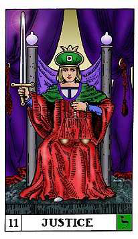
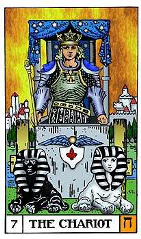
Hod #8 is indicated by the Justice card in Tarot and represents The Perfect Intelligence. “Perfection” is the completion of things; the things require nothing further, and it is the height of world of Yetzirah or Formation. The Chariot #7 is the embodied soul of human being, and the martial aspects of the card indicate the strife of living, how the truth must be wrested from hiddenness. The recognition of the justice of this strife or polemos (war) is what provides the “stability” to the intelligence (this is not “rationality”) and the ability to “reveal” the presence and influence of all the other Sephirot. This revealing of truth is what makes us truly and fully human; it is how we participate in Being together with Being. The difficulty is that this revealing of truth is also at the core of the principle of reason and technology, the ‘know how’ that brings things to a completion. This ‘know how’ must be seen as secondary to the primary knowledge of how things are illuminated by Love and given sustenance and stability through ‘friendship’. This is the core of this stage of that choice which must be made along the journey of life.
Hod is the terminus of the Pillar of Severity or Form (necessity); Netzach is the terminus of the Pillar of Mercy, the “splendour” of which is the recognition of the Beauty of the world, the covenant of God. The middle pillar is the fulcrum providing the “balance”, the “harmony”, the “equilibrium”, the “friendship”, the “covenant” between the Divine and human beings, and this fulcrum is the Corporeality of the physical universe, what is called the Ain Sof.

Samekh: Tiferet to Netzach: Path 23: Sustaining Intelligence (Consciousness) (Sekhel Kayam): It is called this because it is the sustaining (enduring) power for all the Sephirot.
The letter Samekh is the symbol of support, protection, and memory. It means to “lean upon“, “support”, “uphold”. In gematria its number is 60. The perimeter of Samekh denotes the Creator and its interior denotes His creation, which He constantly supports and upholds and protects. It represents the Orr Makif, the Surrounding Light of the Kabbalah, indicating the general providence of the Creator, surrounding and sustaining all of existence, even as we perceive ourselves as separate. The Samekh is the container of all forms and is, therefore, related to the other container letters including the letter Khaf.
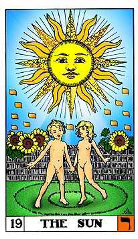
The Sun #19 card of Tarot is the microcosm of this overall cosmic relationship. Friendship is shown through the love, protection, and keeping in mind through one’s care and concern the interests of the other. Its common symbol is the wedding band which indicates the bond of the relationship. When two people are joined by Love through the mediation of the Divine, they enact a covenant with each other which cannot be broken. (“What God has joined together, let no one put asunder”. Human beings are not always brought together by or through God, however. Other forces are at work here.) In literature, we see the opposite of this bond in The One Ring of Sauron in The Lord of the Rings. Here the bond is not one of friendship or relationship but one of oppression and dominion. The figure of Sauron is well-illustrated by The Devil card of the Tarot which is the contrary of The Lovers card.
The letter Samekh teaches us that thinking in its rational form is circular. There are no grounds for the principle of reason, although traditionally these grounds have been attributed to God. Samekh tells us to think for the good of the other, to take care and be concerned with the other, and not just one’s self. This means to be inclusive of everything and everyone as these are part of the One. It is the principle that the wisdom is not contained in just one vessel, in just one person, but is distributed in all beings. This could be why those who believe they are in possession of the truth are, so often, intolerant. The Samekh teaches us that in order to know our Creator, we have to get out of our limited selves, out of what we think we know and the limitations of the physical, so we can get in touch with our essential inner self. It is the meaning of Christ’s saying that “Unless you become as little children, you cannot enter the kingdom of heaven.“ It implies a re-birth.
The danger of the Samekh, being enclosed as it is, is that we can become totally absorbed with ourselves and not be concerned or care for the other, both on an individual and/or communal level. The grave danger is that we believe we are in sole possession of the truth and all others must bow down to this truth. This self-possession becomes obsession and leads to intolerance.
We must empty ourselves in order to be filled; this “decreation” is much more easily said than done. The first step in the recognition of otherness is given to us by the beauty of the world, and this recognition pierces us (Zayin) and inspires us to love the other. The outer covering or ‘husk’ of Samekh needs to be pierced by the ‘arrow’ or ‘sword’ of Zayin in order for the divine influence to flow into it. (This is the meaning of Jesus’ saying that “Do not think that I have come to bring peace to the earth. I have not come to bring peace, but a sword. For I have come to set a man against his father, and a daughter against her mother, and a daughter-in-law against her mother-in-law. And a person’s enemies will be those of his own household.” Matthew 10 34-36)
The combination of Nun (Path 28 The Natural Intelligence) and Samekh נס Nes (Path 23 The Enduring Intelligence) means “miracle”. Once we have learned the lessons of these two letters, we can discover what the miracle really is. It is the ‘friendship’ of the Divine which sustains all the Sephirot, and we as human beings are called upon to mirror that ‘friendship’ in order to continue to reveal the truth of God’s creation. Frodo’s friend and companion in The Lord of the Rings is appropriately named Samwise and their ‘friendship’ is a manifestation of that miracle. This miracle is “the friendship of Justice” or “the Justice of friendship”, the bringing of two unequal parts or partners into a relationship that makes them “equal” (but not the “equality” that we perceive as the Same). The possibility of friendship is a miracle and it is this miracle which is the hope for human communities. Hope is the great antagonist against tyranny.
If we look at the combination of the Path #6 Transcendental Influx Intelligence and Path #23 The Sustaining Intelligence, we can see how the combination of the Light of the letter Alef and the “house” of the letter Beth influence how we come to interpret the Sephirot Chesed. It is from Tiferet that Chesed receives the qualities of Mercy and Kindness, and when Chesed is looked upon without the influence of Tiferet, then we have the influence of will to power which is a relationship of commandeering and domination, the world without the influence of the Ain Sof.
The Letter Resh and the 25th Path: The Intelligence of Trials (Temptations)
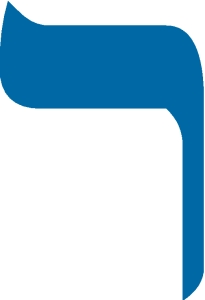
Tiferet to Yesod: Path 25 Intelligence of Trials (Temptations)
The Twenty-fifth Path is the Intelligence of Probation, or is Tentative, and is so called because it is the primary temptation, by which the Creator (blessed be He) trieth all righteous persons.
Alt. Trans. ” The twenty-fifth path is called the consciousness of trial because it is the primary test by which the creator proves the compassionate (Khasidim).”
Path 25. Testing Intelligence (Consciousness) (Sekhel Nisyoni): It is called this because it is the original temptation by which God tests all of His saints.
Resh: Tiferet to Yesod
The Reish, the 20th Hebrew letter, means ‘head’, ‘leader’ and ‘beginning’. It is the symbol of choosing between greatness and degradation. In it is the word for poor רש Rash, (Need) but when it is filled with the power of the Aleph it becomes Rosh ראש, head or first (Fulness). As it is, it is composed of Shin and a Mem and the mother Alef is missing. Reish is the sixth of the seven double letters of the Hebrew alphabet.

Reish is a container, just as Beth (2) and Khof (20) are containers. But while Khof represents forms such as a cup or house, Reish (200) represents the containing of the infinite, exponential growth which is the illusion that will to power gives; the container is the law of Necessity, and the ultimate container of life is death. Containers relate to limits and to the thinking that imposes limits. The Reish also represents the constant transition, flow and change of life and so is associated with Time. It is like a constant flow of energy, breaking through, breaking down into pieces, and building anew. Shin has a powerful influence over Reish and the illustrator of the Tarot illustrated here has associated it with the Judgement #20 card of Tarot. The Judgement card itself suggests a conversion and a rebirth here, a new beginning, and this relates it to the 25th path of wisdom.
Genesis 1.25 And Elohim made the beast of the earth after its kind, and the cattle after their kind, and every thing that creepeth upon the ground after its kind; and Elohim saw that it was good.
The Twenty-fifth path is related to the letter Resh, ר meaning “head”, and is the sixth ‘double’. The path intersects the crossover path established by the letter Mem/Alef. The Sefer Yetzirah seems to indicate that the created world is already ‘a garden of Eden’ since in the eyes of God (Elohim) all created things are good. The “primary temptation” is to view the world as not good but incomplete, and it is conceived as incomplete because it does not conform to our wishes or desires. The Tree of Knowledge in the garden has always been viewed as “knowledge of good and evil”, and the great temptation for human beings is to view themselves as the ‘creators’ of good and of justice, and thus tempts them to ‘turn stones into bread’. The ‘righteous’ or the ‘just’ are those who are able to obey the will of God and able to avoid the temptation of seeing themselves as the creators of good, and the only creators of good. Clearly, those who are just show compassion to all that is and are mindful of the affliction that is part of the root of existence.
The path of Resh is the test or trial i.e., the polemos or confrontation that the individual must face with regard to “egoism” and the recognition of Otherness, the choice between power or compassion, between severity or loving kindness. The choice results in these opposing forces being brought into an equilibrium, where love and will, the ego and the Other meet in harmony and friendship and become a unity. Historically, the focus of traditional religions has been on the taboos against sexuality i.e., Yesod, while greed and cruelty were emancipated in the name of empowerment.
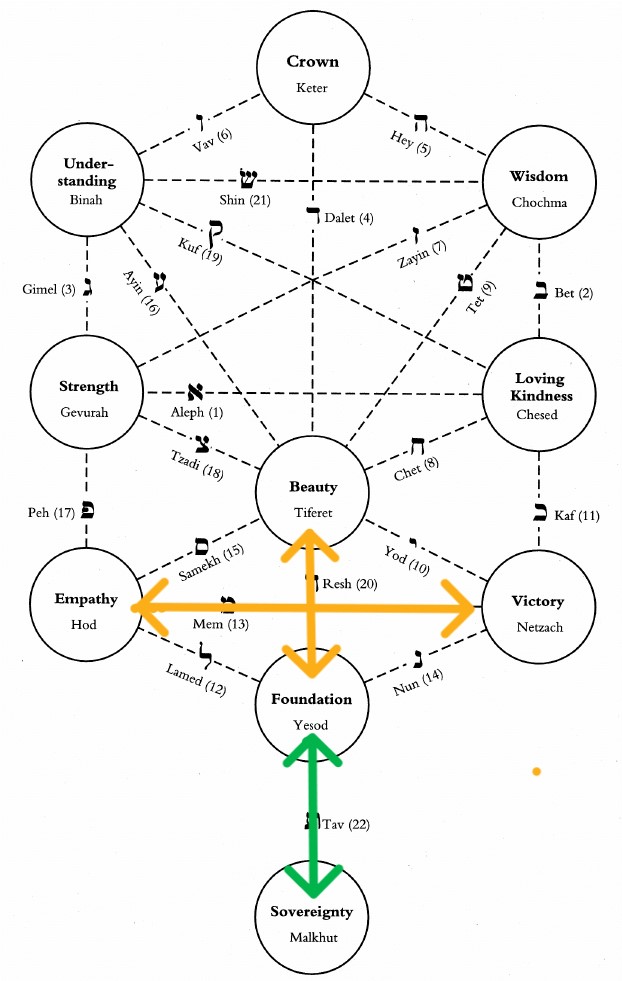
The path of Resh links Tiferet to Yesod, the Beauty of the world to the Foundation of the physical world. It intersects the path of Mem/Alef, the horizontal mother letters, and forms a “cross” (“Pick up your cross and follow Me” Matthew 16: 24-26; “What God has joined together let no man put asunder” Matthew 19:6. The cross here is the individual human body). The “putting asunder” of what God has joined into a unity through His mediatory powers is “the sin against the light”, against the Truth. All denial of what one knows to be true is a sin against the Light. As Socrates once said, “No one knowingly does evil.” Evil is the product of ignorance and stupidity. They may think that doing evil will benefit them at first, but in the final outcome it does not. This is the darkness or stupidity that is current in America at the moment, and it accounts for its rampant corruption, immorality, and injustice in the public sphere. These injustices are not only visible in America, however.
The equilibrium between the self and others, the unity between the “inner” and “outer” worlds is given by the light of Tiferet. (This is the unity which Socrates prays for at the closing of the dialogue Phaedrus and it mirrors the passage of Matthew 16: 24-26). The balance conferred by Love illuminates both Netzach and Hod, ethical action and justice, with the command to be compassionate and merciful. It is the obeying of this command that is the trial of Path #25.
The ”severity” of institutionalized religions (Judaism, Christianity, Islam in the West) arises from their desire for power, from their being in possession of the “revealed texts” understood as Law. The Divine Revelation of these texts becomes ossified in stone, literally, and ceases to be a “living God”. Their God becomes a “jealous God” who seeks retribution for sin. However, “the god who sometimes does and sometimes does not wish to go by the name of Zeus” demands payment in blood for the worship of false gods as is seen in the histories of these religions. (This is the tarot card The Tower #15, the card of revolution, the lightning bolt of Zeus).
The point of equilibrium is Tiferet which brings into a relation the Sephirot Yesod, Netzach, and Hod simultaneously. This equilibrium is not something permanent but must be wrested from the darkness that attempts to hide it. The wresting of truth is the constant strife of life and is the trial for the ‘righteous’.
| Path | Letter | Meaning | Symbol |
| Path 1. Mystical Intelligence (Consciousness) (Sekhel Mufla): This is the Light that was originally conceived, and it is the First Glory (“Let there be light”). No creature can attain its excellence. Path 11. Glaring Intelligence (Consciousness) (Sekhel MeTzuchtzach): It is called this because it is the essence of the veil which is ordered in the arrangement of the system. It indicates the arrangement of the paths (netivot) whereby one can stand before the Cause of causes. | Alef/Beth א/ב | The manifestation of the physical universe through the Logos/Word, what is known as the Ain Sof. The association of the Divine Will (Necessity) with the Cause of causes and the principle of reason. The initiation point of the dualities of the universe. The manifestation of the Divine covenant through the Beauty of the World. Glaring means 1. shining with or reflecting a harshly bright or brilliant light ; 2. very conspicuous or obvious; flagrant. This may suggest that what we call “common sense” is meant here? Notice the “order…in the arrangement of the system” and “the arrangement of the paths” and these suggest the principle of reason in operation. | Beth is “house”; the ‘container’ of the physical universe. The ‘veil’ is the hiddenness of the things that are i.e., the covenant of the beauty of the world behind the Laws of Necessity. |
| Tiferet (Beauty) to Chokmah (Wisdom) Path 16. Enduring Intelligence (Consciousness) (Sekhel Nitzchi): It is called this because it is the Delight of the Glory (Eden). As it is, there is no Glory lower than it. It is called the Garden of Eden, which is prepared for the (reward of) the saints. | Heh ה | Jubilation. The Garden of Eden is here present in the NOW, not something that will come as a reward after death. It is the reward for the being-in-the-world of the saints, the reward for being ‘saintly’. | The liberation from the enclosure that is Chet and the re-birth that results. The end of the paths of TORA and TARO in the Tree of Life. |
| Tiferet (Beauty) to Binah (Understanding) Path 17. Intelligence of the Senses (Consciousness) (Sekhel HaHergesh): This is prepared for the Faithful saints so that they may be able to clothe themselves in the spirit of holiness. In the arrangement of the supernal entities, it is called the Foundation of Beauty (Yesod HaTiferet). | Vav ו | The senses acting as a “hook”, peg. How we come to determine the nature of things. The viewing of things bounded by the ‘sanctifying’ thinking of separation. The influence of the ‘rooted intelligence’ and the ‘transcendental influx’ on how we come to interpret the world. | Contrary symbols of the moon and the heart in the Tarot card The Empress. The throne of Binah is a rectangle, an altar, not the cubes shown in the other Tarot cards. |
| Tiferet (Beauty) to Gevurah (Severity) Path 20. Intelligence of Will (Consciousness) (Sekhel HaRatzon): It is called this because it is the structure of all that is formed. Through this state of intelligence (consciousness) one can know the essence of Original Wisdom. | Ayin ע “eye” | Eyes How the eye sees and how the ear hears determine how we are going to be in the world of creation. It signifies that here a choice has to be made, a decision taken. | Experience, knowledge. The structure of all that is formed is the Law of Necessity. Knowing the Law of Necessity is Wisdom, for through this one is able to distinguish the Necessary from the Good. |
| Tiferet (Beauty) to Chesed (Kindness, Mercy) Path 21. Desired and Sought Intelligence (Consciousness) (Sekhel HaChafutz VeHaMevukash): It is called this because it receives the divine Influx so as to bestow its blessing to all things that exist. | Zayin ז | “Sword”, that which pierces. “Manacle”, that which binds. The arrows of Eros as sword; the covenant of God as that which binds.It is the contrary of the Ayin. The Ayin is the root of the will to power over the physical while the desire and seeking of the Zayin is for the Good. Through the reception of Grace, the ‘divine influx’, it bestows the care and concern on all that exists and allows God to ‘see’ His creation, whereas the Ayin is dominated by the seeing of the ego of the individual Self. | The sword pierces the ‘husk’ that is the container of Samekh and allows the influx of the beauty of the world to establish that path or channel that allows grace to flow into the world. |
| Tiferet (Beauty) to Hod (Splendour) “the outward appearance of the things” Path 22. Faithful Intelligence (Consciousness) (Sekhel Ne’eman): It is called this because spiritual powers are increased through it, so that they can be close to all those ‘who dwell in their shadow’. | Lamed ל “study” The Library of Hermes | The Library of Hermes is composed of the texts of the world. The texts of the world are composed of that which is understood regarding the Laws of Necessity. It is what we call ‘education’; ‘historical knowledge’. | The Tower of Babel. The writings of all nations regarding their interpretations of the Laws of Necessity and the Divine Will. Lamed as the ‘uncoiled serpent’. It indicates revolution and change. |
| Tiferet (Beauty) to Netzach (Splendour) Path 23. Sustaining Intelligence (Consciousness) (Sekhel Kayam): It is called this because it is the sustaining power for all the Sephirot. | Samekh ס | Love and friendship as the sustaining power of all the Sefirot. “Unless you become as little children, you cannot enter the kingdom of Heaven.” 12 Yods in the Tarot card: all encompassed under the Sun, the whole of humanity. The salvation or redemption as the destiny of human beings or for human beings. | “Prop”, “support”. The friendship of care and concern that sustains all the Sephirot (creation) and the direct light within human beings. Lamed indicates dwelling in the shadow of this direct light. |
| Tiferet to Yesod Path 25. Testing Intelligence (Consciousness) (Sekhel Nisyoni): It is called this because it is the original temptation by which God tests all of His saints. | Reish ר | Head, leader, beginning. The choice between social recognition and one’s true self. Choice between the head and the heart. (“Where your treasure is, there will your heart be also.”) The new beginning that follows the conversion and baptism; a re-birth. | The site of the choice and the possible conversion, baptism and re-birth. |



 Theory of Knowledge: An Alternative Approach